Pokemon GO used user data to train robots
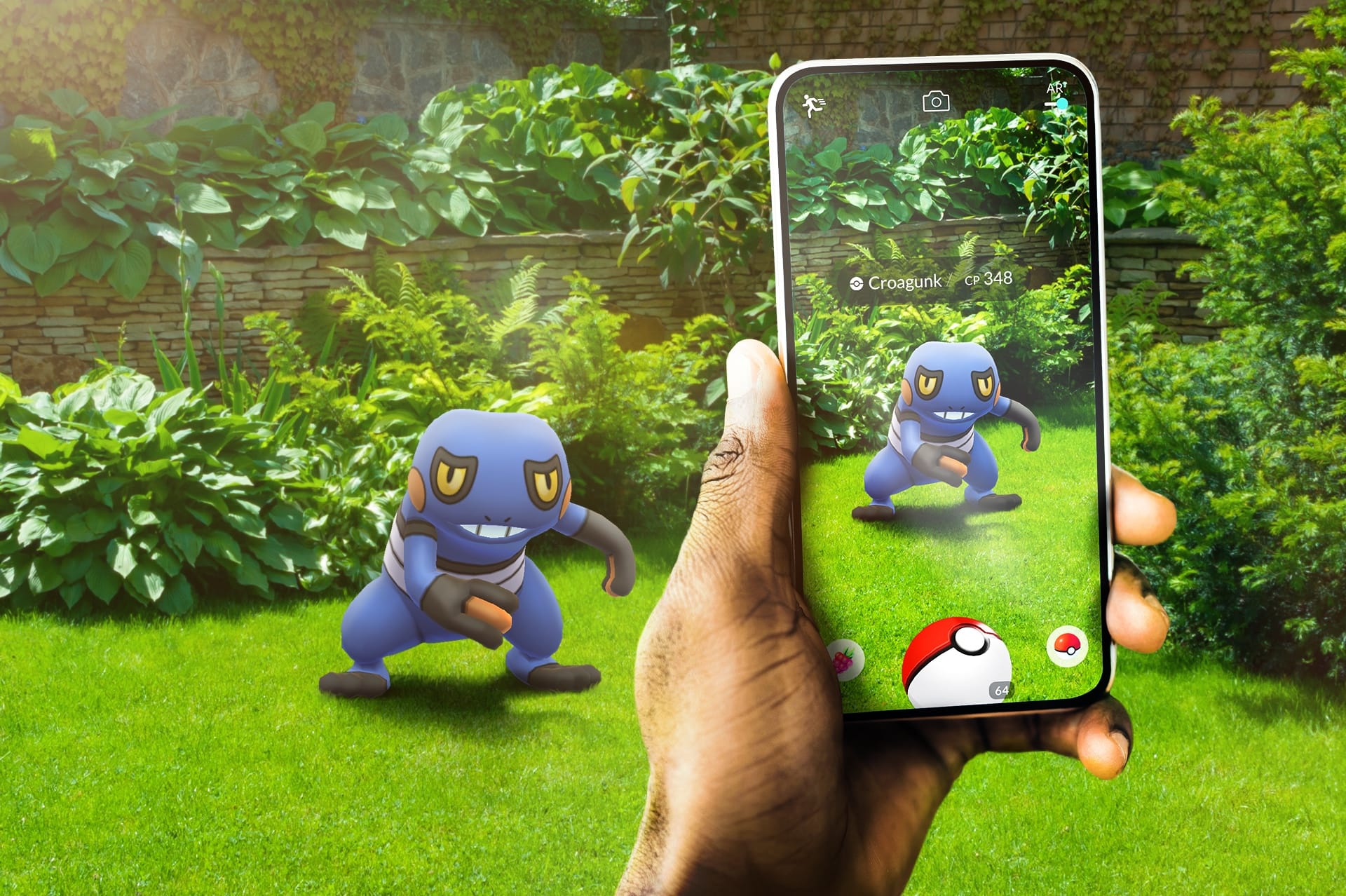
The game Pokemon GO developed by Niantic and released in 2016, quickly became a global phenomenon by combining geolocation and augmented reality. Millions of players began walking through the streets of their cities to catch Pokemon, constantly interacting with the real-world environment. Over time the game introduced features such as AR scans of “PokéStops”, which allowed users to capture images of physical locations in exchange for in game rewards. These features were part of the game’s terms of service, where it was stated that the collected data could be used to improve its technologies.
Over the years, this dynamic turned Pokemon GO into something more than just a game. Without most players realizing it a massive visual database of the real world was gradually built. These images voluntarily captured within the app were used to train systems capable of understanding physical spaces with greater precision.
In 2025 Niantic reorganized its business and separated its focus on spatial artificial intelligence into a new division aimed at leveraging all this accumulated data. From that point on, the project began shifting toward using this information not only for video games, but also for real-world applications such as advanced navigation and automated systems.
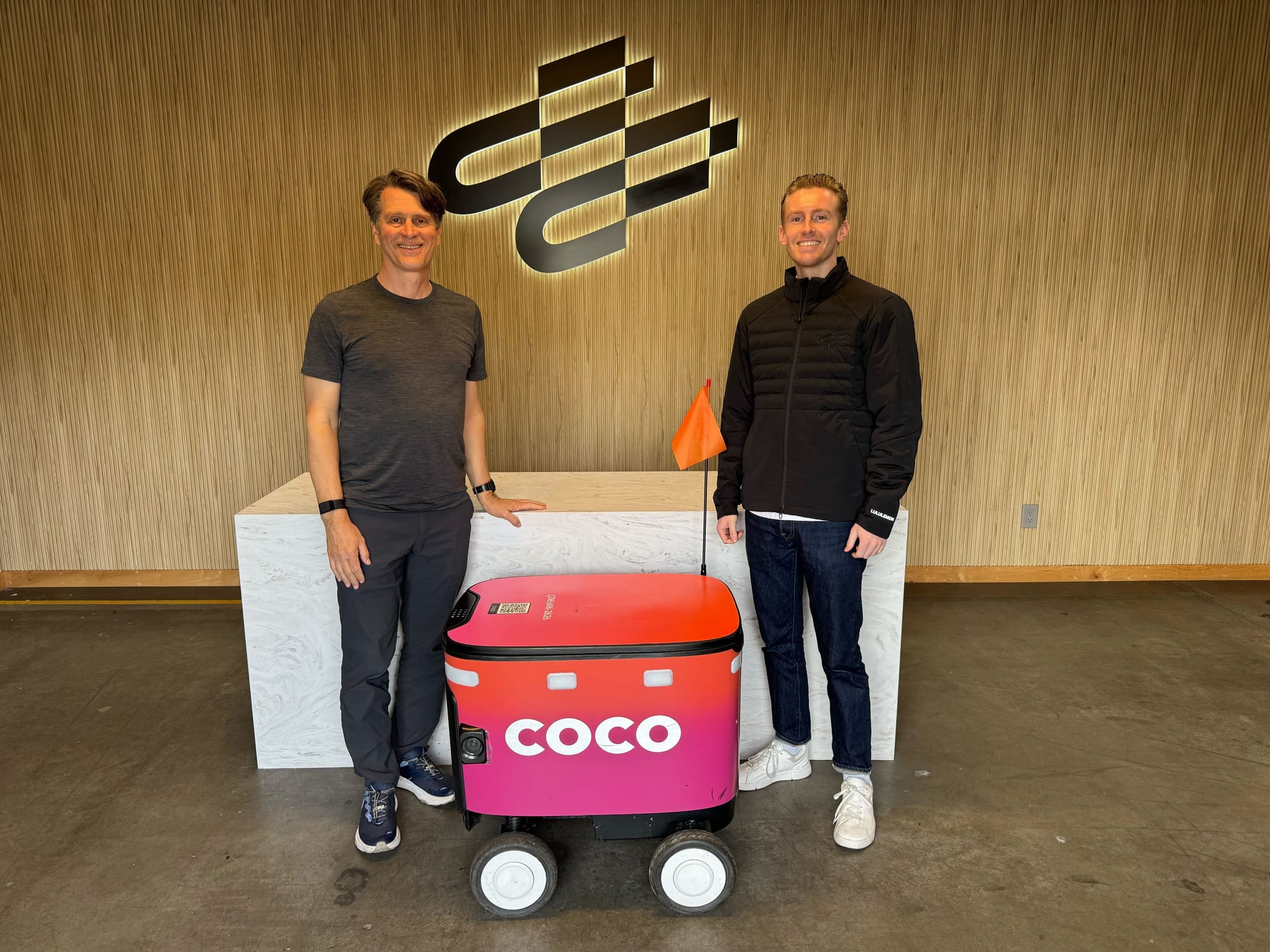
An example of this is the collaboration with Coco Robotics, a company that develops small autonomous delivery robots. These robots operate in urban environments and need to position themselves accurately to avoid obstacles and reach their destinations. Technology derived from Pokemon GO helps improve this navigation, especially in areas where traditional GPS is not precise enough.
In 2026 this connection between the game and artificial intelligence gained significant visibility when various media outlets reported that more than 30 billion images had been collected over the years. This sparked debate, not only about the existence of data collection, but about the scope of how this data has been used over time. Many users admit they never read the terms and conditions of the AR scanning feature, as outlined in Niantic’s Terms of Service (Section 5.2 - Rights Granted by You), in which they grant Niantic the following rights:
“you grant to Niantic a nonexclusive, transferable, sublicensable (through multiple tiers), worldwide, royalty-free, perpetual license (or, if not permitted under applicable law, a license for the full duration, including any extensions, of all relevant rights under applicable law), to use, copy, modify, create derivative works based upon, publicly display, publicly perform, market, promote, and distribute your AR Content.”
Currently, the case of Pokemon GO illustrates how an entertainment application can evolve into something broader. What began as a game has ultimately become a source of data used to develop navigation and robotics technologies, raising questions about the use of user generated data and its application in contexts beyond its original purpose.
Source: https://www.polygon.com/pokemon-go-data-ai-robots-niantic/